
· SG HIRSCHI
Racing pigeon keeping as intangible cultural heritage
The recognition of the homing pigeon system as an intangible cultural heritage in Germany is a significant step for a centuries-old tradition, but why was this process difficult and what relevance does it have for Switzerland?
The road to recognition
The intangible cultural heritage includes living traditions passed down from generation to generation, which UNESCO defines as cultural expressions, knowledge and skills that promote identity and sense of community. In Germany, after lengthy discussions and careful consideration by the competent committee of experts, the pigeon system was finally registered as an intangibly cultural heritage.

But the way to get there was not easy: there were debates about whether the pigeon race can still be considered a “living tradition”, especially at a time when breeders and active people are in decline, and there were critical voices about animal welfare and the modern relevance of this tradition. Nevertheless, recognition prevailed – on the grounds that the pigeons have deep cultural roots, connect communities and preserve intergenerational knowledge.
The official registration will increase the visibility of the pigeon pigeon system and improve its promotion, including:
- More social acceptance and appreciation
- Support through cultural programmes and institutions
- Preservation and transfer of knowledge to future generations
The history of the homing pigeon system in Switzerland
In Switzerland, pigeon hoarding has a long and important tradition. It is not only a hobby but also a living cultural heritage deeply rooted in history. The exchange of knowledge on breeding, training and navigation of pigeons has been maintained for centuries. The first organized competitions took place as early as the 19th century and pigeon keeping quickly became popular. Numerous clubs and associations established themselves especially in urban centres and rural areas with strong agricultural references.
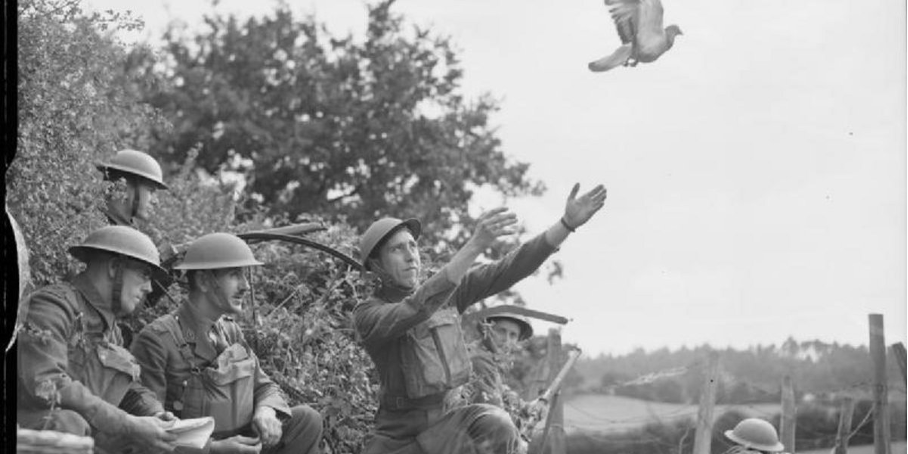
In the autumn of 1917, the Swiss Military Department (EMD) decided to establish the Swiss Passenger Pigeon Service and acquire 1’000 young pigeons. During the two world wars, the Passenger pigeons played an important role in communication. The Swiss army used the birds as reliable means of communication, especially in remote mountain regions.
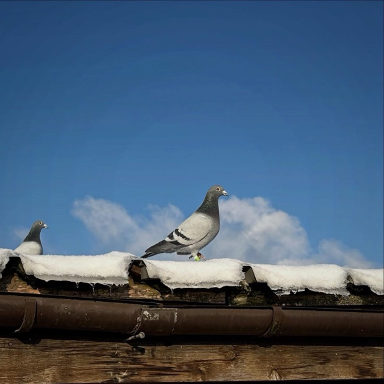
After the Second World War, the pigeon industry experienced a further upswing as international pigeon flights in particular became more important. As part of the Army reform 95, the piges were retired from the Swiss army. According to the Federal Department of Military Affairs (EMD) at that time, this step was taken due to austerity measures, increasing operating costs of modern means of communication and decreasing military relevance of the pigeons. With the decision of 22 September 1994, a 77-year tradition of military communication by pigeons ended.

To this day, however, Switzerland still has a dedicated community of pigeon breeders who preserve centuries-old knowledge about pigeons' breeding, training and orientation. However, the challenges of modern times - including declining membership and changing leisure habits - have led to a growing need for public recognition and promotional measures.
Relevance for Switzerland and opportunities for the future
Switzerland has already included numerous traditions in the national inventory of intangible cultural heritage, including alphorn music, Basler Fasnacht and winegrowing festivals. According to the Federal Office for Culture, those traditions that are deeply rooted in society and whose survival is endangered in the long term will be included in the national heritage inventory.
According to the 2003 UNESCO Convention on the Conservation of Intangible Cultural Heritage, these include “forms of expression such as practices, performances, knowledge and skills, and related instruments, objects and cultural spaces recognised by communities as part of their cultural heritage”.
- a strong social anchorage,
- the transfer of knowledge and skills across generations;
- a living practice that evolves in exchange with the environment and history,
- as well as the traditional treatment of nature and wildlife.
The homing pigeon system brings together all these elements: it is based on an inherited wealth of experience in the breeding, care and orientation of animals, is actively passed on to families and associations and reflects a close connection between human beings, animals and the environment. However, with declining membership and dwindling social status, this cultural practice is increasingly at risk – a fact that makes its inclusion in the inventory particularly relevant.
The inclusion of the pigeon profession as an immaterial cultural heritage in Germany could serve as a model for Switzerland. An application requires cooperation between breeders, associations and cultural institutions. It would be an opportunity to raise awareness about this fascinating sport and its cultural heritage. Developments in Germany show that it is possible to recognise traditional practices as valuable cultural assets even in modern society. Now it is up to the Swiss pigeon scene to take up this impulse and embark on a similar path.
Archived original article. Media credits in the article are preserved.
← Journal